Born in the GCC

Built from the trenches of last-mile delivery

Hisbuu started on the ground. The team spent years managing thousands of drivers, reconciling cash and chasing deposit screenshots on WhatsApp at midnight.

Where the team ran fleets before Hisbuu

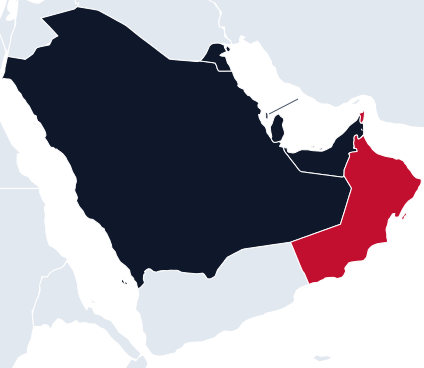
6 GCC markets

Map of the Arabian Peninsula showing the six GCC countries: Saudi Arabia, Kuwait, Bahrain, Qatar, the UAE and Oman. Oman is marked as home.

How Hisbuu came together

  1. The background

    8+ years running fleets

    5,000+drivers managed

    30M+last-mile orders delivered

    For 3PLs and aggregators across the GCC

  2. The spark

    Cash proof, chased by chat

    No audit trail, no way to spot leakage early

  3. The pilot

    25 motorcycle drivers

    One local delivery company: phone submissions, one review dashboard

  4. The platform

    Built for the whole operation

    • KYC and onboarding
    • Partner and driver reconciliation
    • Monthly payout cycles
    • Asset and equipment tracking
The background

We ran the fleets before we built the software

For more than eight years, the team behind Hisbuu ran delivery operations for 3PLs and aggregators in Oman, Saudi Arabia, Kuwait and the UAE. Fleets went from a handful of riders to thousands of drivers, delivering for Talabat, Careem and other regional platforms.

Cash on delivery meant drivers carried real money every day. Matching it to bank deposits and partner reports took hours, and payroll was a monthly scramble in Excel.

  1. Drivers collect cash
  2. We chase deposit slips
  3. Someone misses a submission
  4. The numbers don't match
  5. Finance spends hours in Excel
"Every day was the same cycle, and the finance team spent hours trying to work out where the money went."
The spark

One problem no tool had solved

The breaking point was collecting cash amounts and proof of deposit from drivers. At scale, submissions get missed, screenshots get lost in chats and amounts don't match. Without an audit trail, leakage shows up weeks later.

The tools on offer were built for trucking or enterprise supply chains, or they were spreadsheets with a login. None of them fit a cash-heavy delivery fleet in the GCC.

  • Deposit sent to the wrong accountThe cash exists, but nobody can match it
  • No submission on FridayFound out days later, if at all
  • Partner data arrives on TuesdayThe week can't be checked until it does
The edge cases the team handled by hand, every week.
The pilot

Tested with a real fleet first

Before building more, the team ran a pilot with a local delivery company and its 25 motorcycle drivers. Small enough to change things quickly, real enough to test every assumption.

Drivers sent their daily cash and deposit proof from their phones. The operations team checked and reconciled it all on one dashboard.

Phone submissions on one side, one review dashboard on the other.
The evolution

From one tool to the whole operation

Every workaround the team had built in Excel became a proper workflow in Hisbuu.

No two operators work the same way, so Hisbuu is set up around each company's partners, payment structures, approvals and reports.

Documents in filing cabinets and shared drivesKYC with expiry tracking
Partner reports checked against chat screenshotsPartner and driver data compared
Payroll built from spreadsheet formulasMonthly payout cycles
Uniforms and bags tracked by handAsset and equipment tracking

What makes Hisbuu different

  • Made for GCC fleets

    Cash-heavy days, drivers working several platforms, visa-linked KYC and Arabic-speaking teams are part of the design.

  • Set up your way

    Your partners, approval chains and reports. Hisbuu fits how your company already works.

  • Easy for drivers

    A native app for iPhone and Android, or a browser version, for drivers who aren't comfortable with tech.

  • A record of every step

    Every submission, approval and payout keeps a full history of who did what, and when.

See how Hisbuu fits your fleet

See Hisbuu run against your own driver submissions, partner data, and payout rules.

Demo first, rollout scope after the workflow is clear.